Retention
How to make customers return (for real)
People return when effort is low and the reward is clear. Here is the system—not a motivational speech.

Getting a customer to return is not “more marketing”: it is lower friction plus unfinished progress that only closes in your shop. If your plan depends on them remembering a discount from three weeks ago, you already lost.
1. Put progress where they look
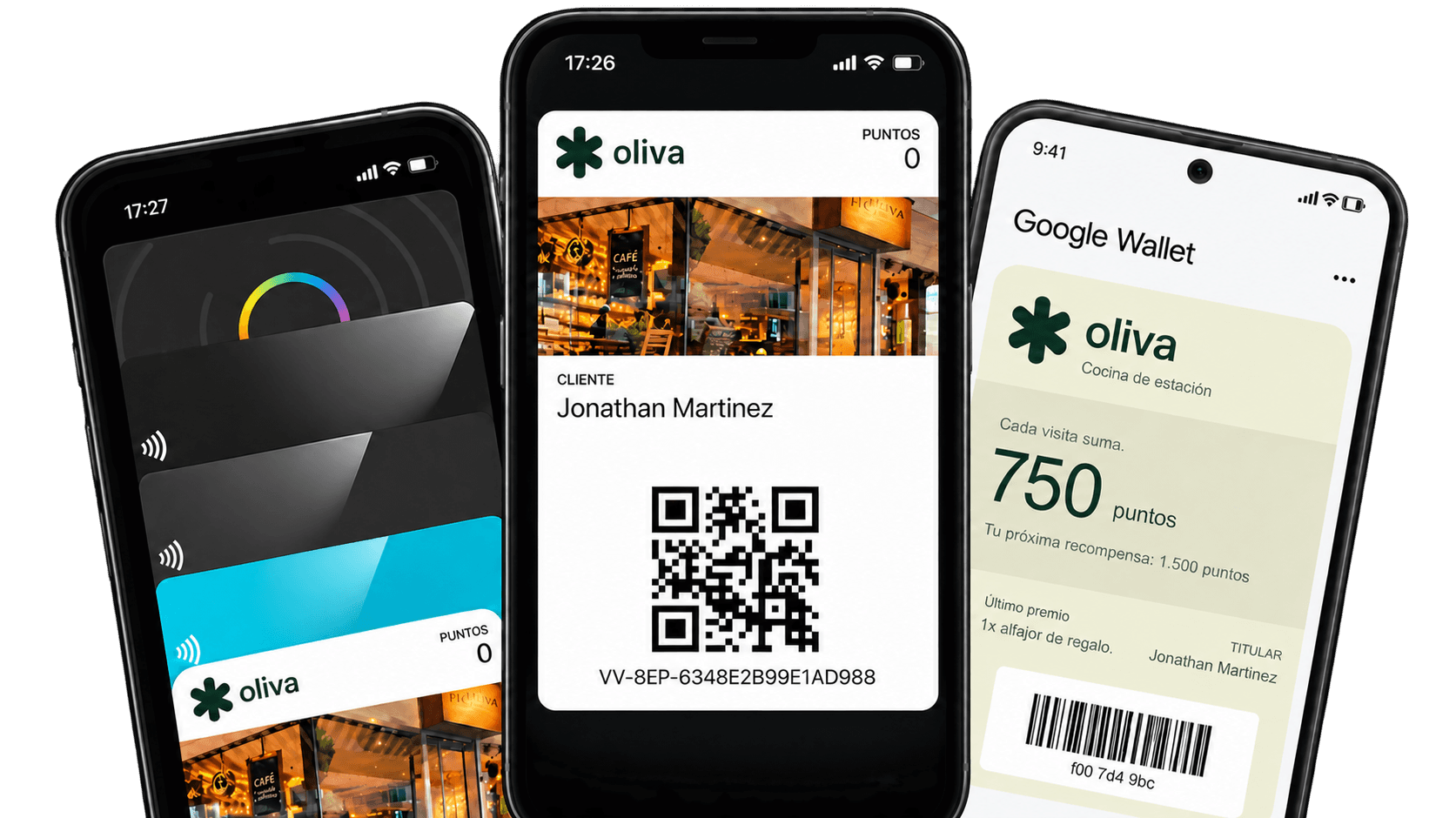
Stamps or points in Apple Wallet / Google Wallet live next to boarding passes. Each visit moves the prize closer. That “almost” beats a loose coupon. Aim for 8–10 visits for an everyday reward; avoid goals that feel impossible.
2. Make the till the moment of truth
- 1Always ask if they have the card (or the join QR)
- 2Add points in under ten seconds in the browser
- 3Say the balance out loud: “Three to go for a free coffee”
- 4On redeem, keep it clean and reset per your rule
3. Warm up the quiet ones
After 30–45 days without a visit, a short pass update (extra stamp, new item, off-peak perk) costs less than ads. Time-box the offer. Measure redemptions two weeks later—if nobody moves, the prize or the copy did not matter.
4. Do not compete on price alone
- Tie rewards to high-margin items
- Use off-peak campaigns instead of permanent discounts
- Birthday perks only if the till can handle them
Frequently asked questions
- Do deep discounts bring people back?
- They buy one-off traffic. Steady repeats usually come from progress (stamps/points) and a relevant reason—not from crushing margin every week.
- How often should I message?
- Rarely and with a reason: prize nearby, real novelty, or reactivation after 30–45 quiet days. One useful Wallet update beats five generic emails.
- What should I measure first?
- Share of members with a visit in 30 days and average days between visits. Then redemptions and reward cost.